Wednesday, 20 May 2015

Blade of Tyshalle – Perfect Blend of SF and Fantasy II


I have just finished the second book in the Mathew W. Stover’s Act of Caine sequence and I am amazed. This is one of the best books I have ever read. Considerably more ambitious than the first one, this book successfully raises everything to a whole new level.


At the beginning we find Hari Michaelson as a well-off administrator who is trying to cope with his disability resulting from his spine being severed by the sword Kosall at the hand of his arch enemy Berne. Some seven years after the events in the first book, Hari lives with his wife Shanna and her daughter Faith, who share the connection with the Chambaraya, the Overworld River. Ma’Elkoth is a prisoner in some sort of the Overworld Museum, where he teaches magic, and he is Hari’s best/only friend.

Monday, 4 May 2015

Heroes Die by Matthew Stover – Perfect Blend of SF and Fantasy


Heroes Die is the first book in the Matthew Woodring Stover’s Acts of Caine trilogy. The author created a world that consists of the future dystopian Earth and a parallel world called Overworld, which is actually a fantasy setting bearing the characteristics of the majority of books published in this genre after Tolkien. This provides for a very interesting dichotomy – on the one side we have a science fiction milieu in which there is an overcrowded Earth, the population of which is divided into castes, with very strict rules and harsh system of punishment. On the other side is a fantasy world rich with magic, all kinds of creatures, and filled with adventures. 


This is not a new thing.

Friday, 17 April 2015

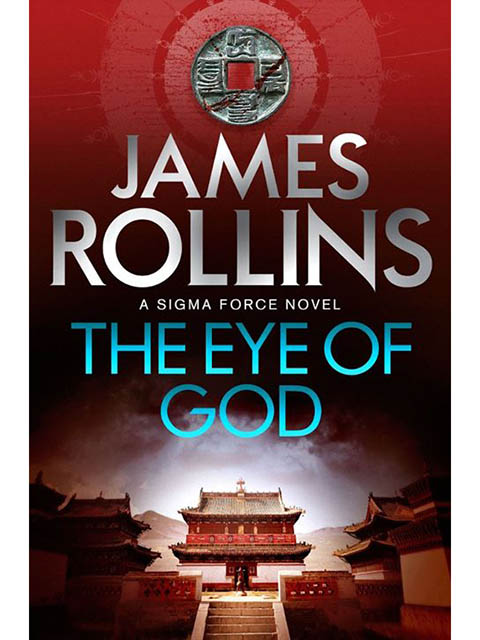
James Rollins: The Eye of God


 The Eye of God is the ninth book in the Sigma series, focused on the adventures of Commander Gray Pierce and the other members of this covert group.


In this installment of a very popular series, the world is faced with a threat in the form of a comet that consists of dark matter and through wonders of quantum physics provides Sigma with a glance into a possible catastrophic future. In an effort to prevent the disaster, members of Sigma, accompanied by Vigor and Rachel Verona, go to Mongolia looking for the fallen satellite called the Eye of God, under the pretense that they are trying to resolve the ancient mystery concerning the ancient artefact given to Genghis Khan.

As is always the case in Rollins’s Sigma books, the two aspects of the story are closely intertwined. The ancient artefact is actually the thing they need to find in order to save the world from annihilation. Rollins cleverly weaves the different strands of the plot, combining the breathtaking action, modern science, old enigmas and religious beliefs. It is all seamlessly blended into a highly readable and enjoyable piece of literature.


Rollins is in his full form in this one. However, there is one thing that sets this book apart from the previous parts of the series. He decided to say goodbye to two of his characters, who played a significant part in earlier books, and I must confess that I was rather taken aback. It is interesting that one can feel genuine sorrow for a literary character. Even though I was not particularly attached to these characters I still felt a certain amount of grief. Maybe it is testament of Rollins’s writing or proof that I am over-emotional, or something else, I honestly don’t know. Anyhow, I think it poses a very interesting question. Does it increase the quality of writing if the author is not afraid to do away with his characters? It definitely makes it more realistic. I remember when I read the Game of Thrones and when Ned Stark was executed. It was a shock but it was important to the depiction of Westeros as a ruthless and unpredictable world. Perhaps Rollins wanted to make his books more gritty and harsh. It is to be expected that people in that line of work get in mortal danger and might die. But, in the end, they exist only in our minds, in our imagination. And yet we still empathize with them. I guess that is one of the things that makes us human.

In the end, as if trying to alleviate the blow, Rollins added a chapter, essentially an alternate ending, which stems from his deliberations on quantum physics and the possibility of existence of parallel universes. In essence, he speculates that, if this reality is merely a hologram (as some physicists believe), at the point of death there is nothing that prevents consciousness from jumping to other universes, where it can continue to live and fulfill its true potential.


As you can see, Rollins teaches you about history and science, shows you extraordinary corners of our planet, makes you care about his characters and forces you to think about the fabric of the universe and our very existence. All that in a highly entertaining thriller. All can I say is: read it and you’ll get more than you expected.

Wednesday, 15 April 2015

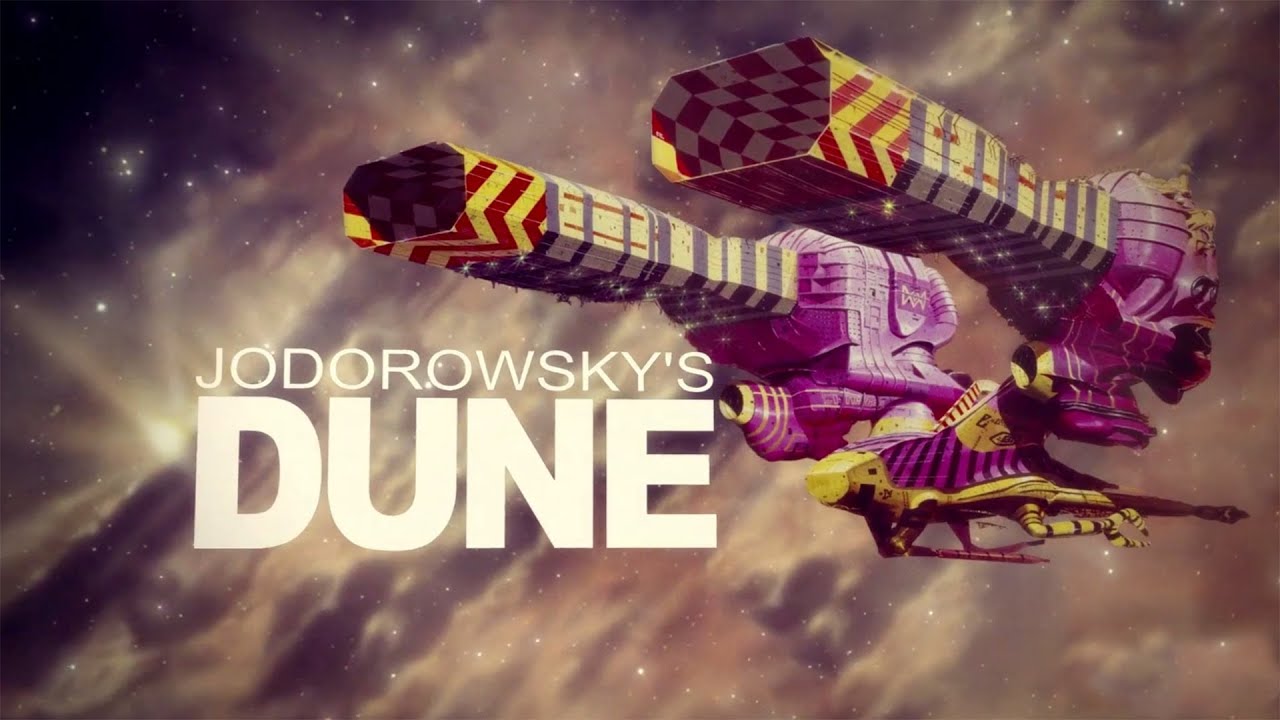
Jodorowsky’s Dune – Best Film Never Made


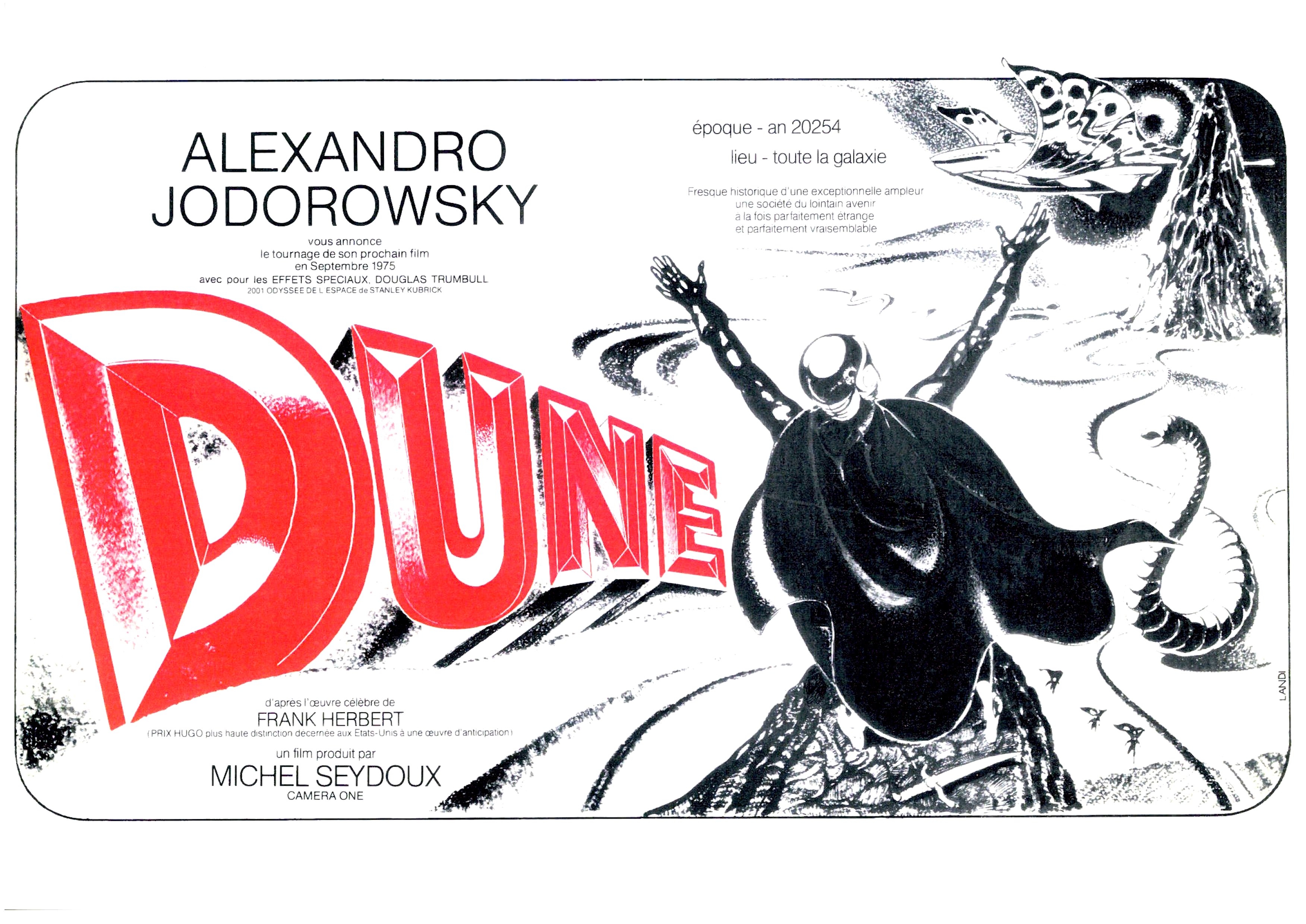
Jodorowsky’s Dune is a documentary that tells the story of the creation of the film based on Frank Herbert’s Dune by director Alejandro Jodorowsky. The film was never actually made, which was known to me, but what surprised me was the level of work that has been achieved until the moment when the director and his team realized that no studio was ready to finance the project.


Alejandro Jodorowsky, a Chilean filmmaker, playwright, actor, author, musician, comics’ writer, spiritual guru, and a member of the surrealist movement, was the heart and soul of the project, and plays the central part in the documentary, talking about his experience working on the Dune. Watching him talk about his Dune with so much passion, one cannot fathom that this man can suffer a failure but it appears that he was actually the major obstacle to Jodorowsky’s Dune coming to life – the studios were simply too afraid of letting this extraordinary man, this force of nature, make such an expensive motion picture.

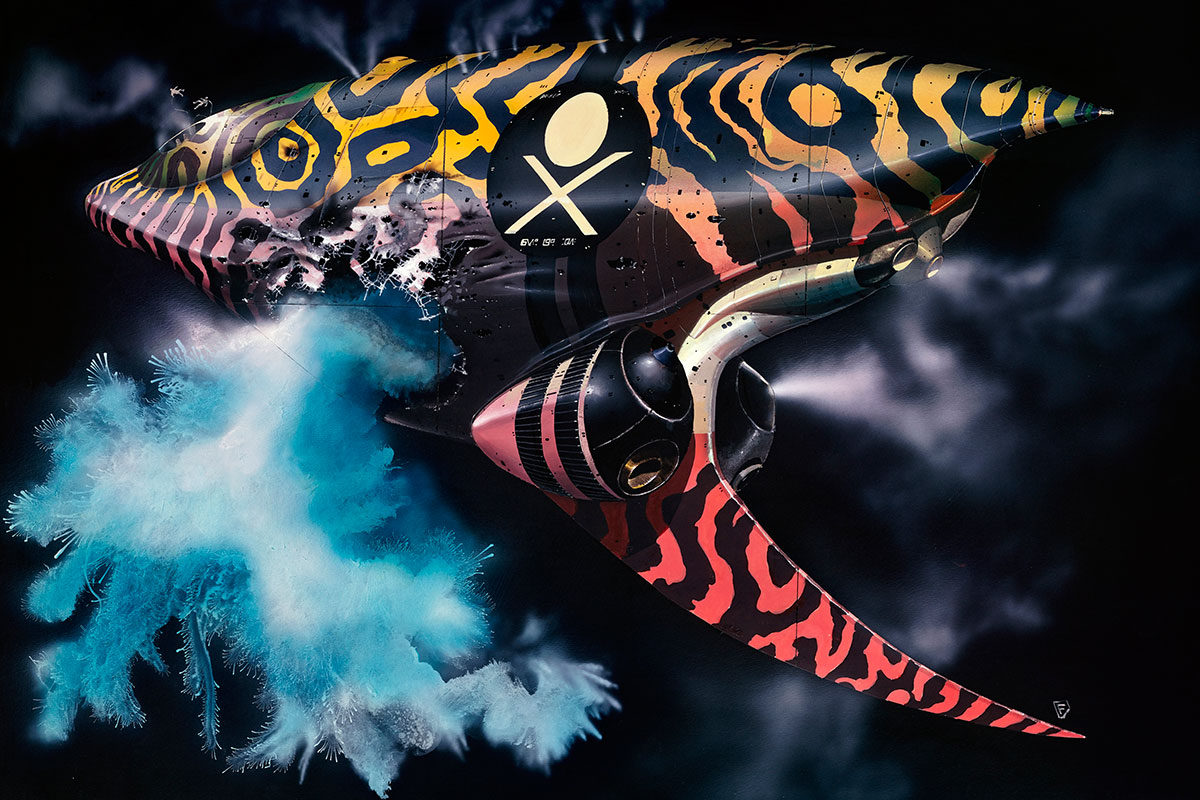
This documentary is a true gem for every film, comic, pop culture buff out there. In his desire to make something amazing, Jodorowsky gathered a group of talented artists and gave them freedom to express themselves. He engaged Jean Giraud (Moebius), HR Giger, Chris Foss to work on the story boards, concept art, designs for the sets, and persuaded Orson Welles, Salvador Dali and Mick Jagger to participate as actors. The end result was the enormous book, a screenplay in the form of a comic, which contained all designs and frame-by-frame story of the film. The book was sent to every major film studio in Hollywood, heaped with praise but eventually rejected.


It must have been devastating for the people who invested a significant portion of their lives to this project. However, Jodorowsky’s vision for this movie – he wanted it to be a visual and metaphysical wonder but also a consciousness changing experience – was realized in the end. Apart from the book, the work on the film also gave birth to new collaborations and ideas that found their way to other movies, including Star Wars, Terminator, Alien, and many others. Jodorowsky and Moebius worked together on Inkal, Metabarons and Technopriests. Den O’Bannon and Giger worked together on Alien. The Dune was killed, but it remained alive in many subsequent works of art, just as Jodorowsky wanted Paul in the film to die but remain alive in every person’s consciousness that he touched. That is one of the most interesting parts of this amazing documentary.


Jodorowsky’s son was supposed to play the part of Paul and he underwent grueling preparations for almost three years. Jodorowsky perceived himself and everyone else who worked with on this project as warriors, which best depicts his determination and desire. In that warrior spirit, he even went to see David Lynch’s Dune when it was shown in the cinemas. Being of admirer of Lynch’s, Jodorowsky was afraid that his dream would be made by someone else, perhaps even better. He was relieved when he realized that the film was bad. That is another great scene in this documentary. Jodorowsky confesses his jealousy and joy that Lynch was not able to surpass his vision. Being a big fan of Herbert’s Dune I saw Lynch’s film several times and although I like it, I think it leaves a lot to be desired.


Jodorowsky is 84 in this documentary but he is still full of life and creative energy. He gives off an impression of an incredible artist. One can only imagine what the Dune would have looked like if he had directed it.


There is so much content in this documentary that it can only be described as treasure – treasure for every sci-fi fan, film lover, and comic buff. This is the first time I heard HR Giger speak, or saw some of Chris Foss’s mindblowing paintings. This documentary is really something to cherish and watch in years to come. Grade: the highest possible.